AB 2533 ADU Legalization in San Mateo, California

Expert assistance with California AB 2533 for legalizing unpermitted ADUs in San Mateo, San Mateo. Our specialists understand San Mateo's local building codes and help homeowners navigate the legalization process without penalties.

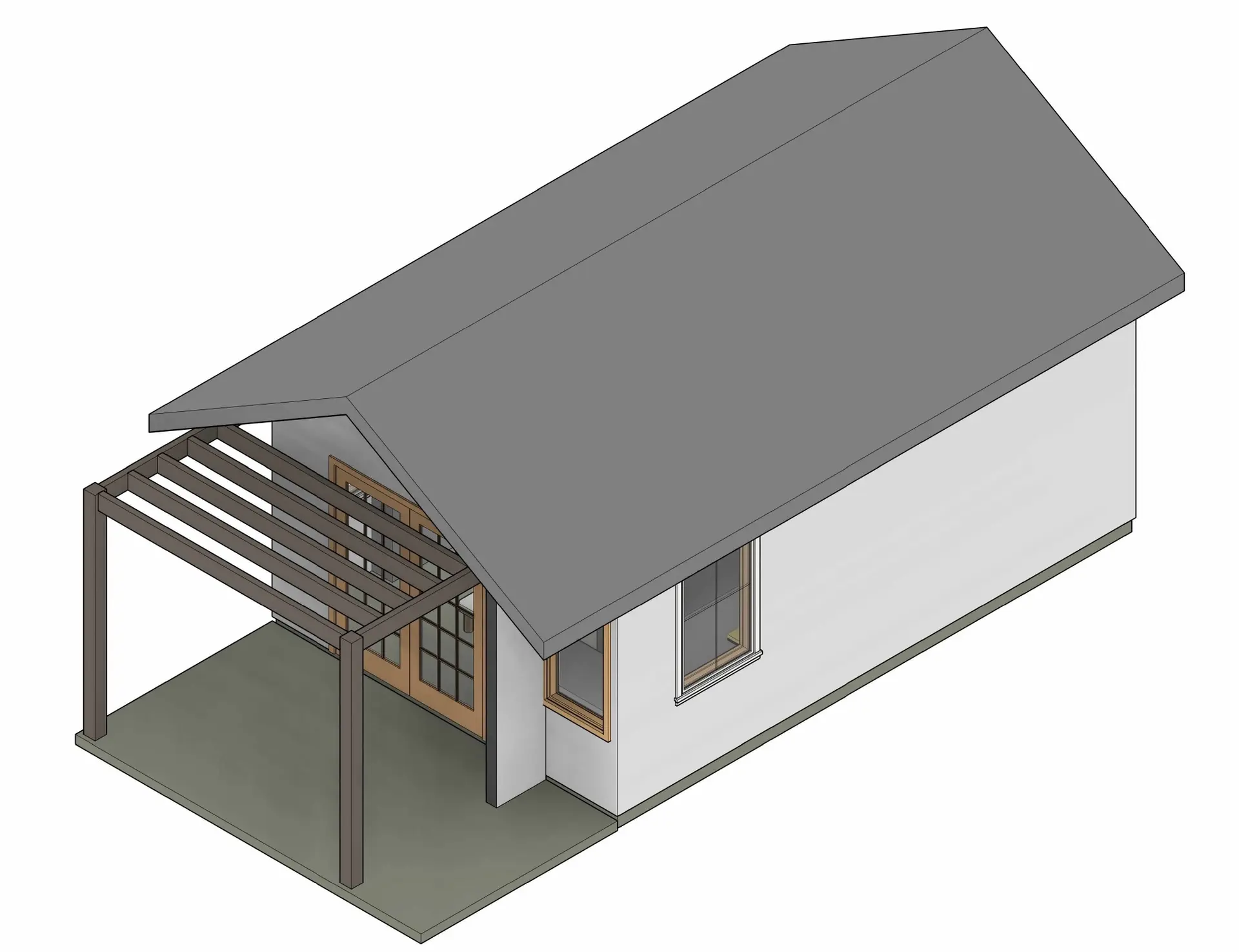
ADU Model in San Mateo

AB 2533 ADU Legalization Services in San Mateo

Expert ADU Legalization Services in San Mateo

At AB 2533 Pros, we are San Mateo's premier ADU legalization specialists, bringing years of hands-on experience navigating the complex permitting landscape across every neighborhood in the city. From the established homes in Hillsdale to the residential streets of San Mateo Park, our team has successfully guided hundreds of homeowners through the process of bringing their unpermitted accessory dwelling units into full legal compliance. We understand that every property in San Mateo presents unique challenges, and our expertise ensures that your ADU legalization proceeds smoothly, efficiently, and with minimal disruption to your daily life.

Our deep knowledge of San Mateo's specific building codes, zoning regulations, and municipal requirements sets us apart from general contractors or out-of-area firms. We have established working relationships with the local building department and understand the nuances of the permitting process that can make or break an ADU legalization project. Whether your property is located near Coyote Point Recreation Area, Hillsdale Shopping Center, San Mateo Central Park or in the quieter residential pockets of Aragon and Fiesta Gardens, we bring the same level of dedication and expertise to every project we undertake. Our portfolio of completed legalization projects spans every type of ADU configuration found in San Mateo, from compact garage conversions to full-sized detached backyard dwelling units.

Our comprehensive approach begins with a thorough property assessment, where we evaluate the existing structure, identify potential compliance issues, and develop a customized legalization strategy tailored to your specific situation. We handle all aspects of the process, from preparing architectural drawings and engineering reports to filing permit applications and coordinating inspections. Our goal is to transform your unpermitted ADU into a fully legal, code-compliant dwelling unit that adds significant value to your property while providing peace of mind for you and your tenants. We pride ourselves on transparent pricing, clear communication throughout the process, and a commitment to completing every project on time and within budget. Our team includes licensed architects, structural engineers, and construction specialists who work together seamlessly to deliver outstanding results for San Mateo homeowners.

San Mateo ADU Legalization: What You Need to Know

If you own a property in San Mateo with an unpermitted accessory dwelling unit—whether it is a converted garage in Hillsdale, a backyard cottage in San Mateo Park, or an interior conversion in Aragon—understanding the legalization process is essential for protecting your investment and avoiding potential legal complications. An unpermitted ADU can create serious problems during property sales, refinancing, or insurance claims, and may expose you to fines and code enforcement actions from the city. Real estate transactions in San Mateo increasingly involve thorough inspections that identify unpermitted structures, and lenders may refuse to finance properties with known code violations.

The ADU legalization process in San Mateo typically begins with a pre-application consultation, during which our team visits your property to assess the existing structure and identify any code deficiencies that must be addressed. Common issues we encounter in San Mateo include inadequate electrical capacity, insufficient natural light and ventilation, missing or non-compliant egress windows, and structural concerns related to load-bearing walls or foundation integrity. Many older homes built during the 1920s through 1970s era have electrical panels that need upgrading and plumbing systems that require modification to support a separate dwelling unit. We also frequently encounter issues with ceiling height in garage conversions, improper waterproofing in bathroom additions, and inadequate fire separation between the ADU and the main dwelling or property lines.

Once the assessment is complete, we prepare a detailed scope of work and cost estimate for the legalization project. This includes all necessary architectural plans, structural engineering calculations, Title 24 energy compliance documentation, and any other reports required by the local building department. We then submit the permit application on your behalf and manage all communication with plan reviewers to ensure timely approval. Throughout the construction phase, we coordinate required inspections and address any corrections promptly to keep your project on schedule. Our experience with the local building department allows us to anticipate common plan check comments and address them proactively, significantly reducing the number of revision cycles needed.

San Mateo's building department processes ADU legalization applications under both the standard ADU provisions of state law and the specialized pathway created by AB 2533. The AB 2533 pathway is particularly advantageous for existing structures that were built without permits before January 1, 2020, as it provides flexibility on certain code requirements while still ensuring that the unit meets essential health and safety standards. Our team will evaluate which pathway is most beneficial for your specific situation and guide you through the appropriate process. We maintain up-to-date knowledge of all local ordinances and amendments that affect ADU permitting in San Mateo, ensuring that your application is complete and compliant from the initial submission.

Understanding San Mateo's Housing Landscape

San Mateo's housing market reflects the broader trends affecting communities across California, with rising home prices, limited inventory, and growing demand for affordable rental options creating significant pressure on the existing housing stock. With a median home price of approximately $1,500,000, many homeowners are looking for ways to maximize the value and utility of their properties. The city's housing stock, characterized by Craftsman bungalows, Mediterranean-style homes, ranch residences, and Eichler homes built primarily during the 1920s through 1970s, includes many properties with lot sizes ranging from 5,000 to 8,000 square feet that are well-suited for accessory dwelling units. The combination of high property values and strong rental demand makes ADU legalization one of the most financially rewarding home improvement investments available to San Mateo homeowners.

The neighborhoods of Hillsdale, San Mateo Park, Aragon, and Fiesta Gardens each have distinct characteristics that influence ADU potential. Properties in Hillsdale often feature detached garages, generous rear yards, or existing secondary structures that have been informally converted to living spaces over the decades. In San Mateo Park, the housing stock may include larger lots with space for new detached ADUs or existing structures that can be brought into compliance. The Aragon area presents its own set of opportunities, with many properties having unused secondary structures or underutilized spaces that are ideal candidates for ADU conversion. Throughout San Mateo, the demand for rental housing remains strong, driven by proximity to major employers such as GoPro, SurveyMonkey, San Mateo Medical Center, as well as educational institutions like College of San Mateo, San Mateo Union High School District. The ongoing development and economic growth in the region continue to attract new residents, further intensifying the need for diverse housing options.

ADUs have become a critical component of San Mateo's housing strategy, offering homeowners the opportunity to create additional living space for family members, generate rental income to offset mortgage costs, or simply increase the flexibility and value of their property. With rental rates in San Mateo typically ranging from $2,200–$3,800 for well-maintained ADU units, the financial benefits of legalization are substantial. A legal, permitted ADU not only commands higher rents than an unpermitted unit but also provides legal protection for both the homeowner and the tenant, access to standard landlord-tenant legal frameworks, and eligibility for homeowner's insurance coverage. The California Department of Housing and Community Development estimates that ADUs represent the fastest-growing segment of new housing production in the state, and San Mateo is well-positioned to benefit from this trend.

The AB 2533 Advantage for San Mateo Homeowners

Assembly Bill 2533, signed into law by Governor Gavin Newsom, represents a landmark opportunity for San Mateo homeowners with existing unpermitted ADUs. This legislation created a streamlined pathway for legalizing accessory dwelling units that were constructed without permits before January 1, 2020, recognizing that tens of thousands of these units exist throughout California and serve a vital role in addressing the state's housing shortage. For homeowners in neighborhoods like Hillsdale, San Mateo Park, and Aragon, AB 2533 provides a practical and affordable path to compliance that was previously unavailable. The law acknowledges the reality that many of these units have been providing safe, functional housing for years and establishes a pragmatic framework for bringing them into the permitted inventory.

The key advantage of AB 2533 for San Mateo homeowners is its recognition that existing unpermitted structures should be evaluated against health and safety standards rather than requiring full compliance with current building codes that were designed for new construction. This means that certain requirements—such as modern energy efficiency standards, setback requirements, and parking provisions—may be relaxed or modified for qualifying structures. The law focuses on ensuring that the ADU meets essential life-safety requirements, including structural integrity, fire safety, adequate egress, basic plumbing and electrical safety, and minimum habitation standards for light, ventilation, and sanitation. This pragmatic approach recognizes that requiring full retroactive compliance with current building codes would make legalization cost-prohibitive for many homeowners, effectively ensuring that these units would remain in the shadows of the unpermitted housing market.

For San Mateo homeowners, this translates to significantly lower legalization costs compared to a full code-compliance retrofit. Projects that might have required $50,000 to $100,000 in modifications under the old framework can often be completed for $15,000 to $40,000 under AB 2533, depending on the condition of the existing structure and the specific deficiencies that need to be addressed. Our team at AB 2533 Pros specializes exclusively in this legalization pathway and can help you determine whether your property in Fiesta Gardens or elsewhere in San Mateo qualifies for these streamlined provisions. We have processed hundreds of AB 2533 applications across California and bring unmatched expertise to every San Mateo project we undertake, ensuring that homeowners receive the maximum benefit from this groundbreaking legislation.

San Mateo ADU Legalization Timeline & What to Expect

The typical ADU legalization timeline in San Mateo spans approximately 3 to 6 months from initial consultation to final inspection approval, though the exact duration depends on the complexity of your project and the current workload of the building department. Our structured approach ensures that each phase of the process is completed efficiently and that delays are minimized. The first phase—property assessment and documentation—typically takes 2 to 3 weeks, during which our team conducts a thorough inspection of the existing structure, prepares initial drawings, and identifies all items that need to be addressed for compliance. During this phase, we also research property records, verify lot dimensions, confirm zoning designations, and check for any easements or other restrictions that might affect the legalization process.

The second phase involves plan preparation and permit submission, which typically requires 3 to 4 weeks of work by our architectural and engineering team. During this phase, we prepare complete permit-ready construction documents, including floor plans, electrical layouts, plumbing diagrams, structural details, and Title 24 energy calculations. We also prepare any required reports such as soil investigations, drainage plans, or fire safety assessments. Once the plans are submitted, San Mateo's building department typically takes 4 to 8 weeks to complete plan review, though this timeline can vary depending on the department's workload and the complexity of the project. Our proactive approach to plan preparation—anticipating common review comments and addressing them before submission—helps minimize the number of revision cycles and keeps your project moving forward.

The final phase is construction and inspection, which usually takes 4 to 8 weeks depending on the scope of work required. Common construction tasks include electrical panel upgrades, plumbing modifications, installation of egress windows, drywall repairs, insulation improvements, and fire-safety upgrades such as smoke detectors and carbon monoxide alarms. Our team coordinates all required inspections, including rough framing, electrical, plumbing, mechanical, insulation, and final inspections. Upon passing the final inspection, you will receive your certificate of occupancy or final sign-off, confirming that your ADU is fully legal and compliant. We also assist with any required updates to your property records with the county assessor to reflect the additional permitted living space. Throughout every phase, our dedicated project manager keeps you informed with regular updates, responds promptly to your questions, and ensures that the entire process is as stress-free as possible for you and your family.

Common ADU Types We Legalize in San Mateo

  • Garage Conversions: The most common type of unpermitted ADU in San Mateo, garage conversions involve transforming a single or double-car garage into a habitable living space. Our team addresses typical issues including minimum ceiling height requirements, natural light and ventilation, egress windows, insulation, and independent utility connections. Properties in Hillsdale and San Mateo Park frequently feature these conversions.
  • Detached Backyard Units: Stand-alone structures built in the rear yard of a property, ranging from 200 to 1,200 square feet. These units require proper foundation verification, structural engineering review, and compliance with setback and height requirements. Many properties in Aragon have detached units that were built incrementally over the years.
  • Attached Additions: Rooms or suites added to the main dwelling, typically at the rear or side of the home. Legalization involves verifying structural connections to the existing building, ensuring proper fire separation where required, and confirming that the addition meets building envelope standards.
  • Interior Conversions: Portions of the main home that have been partitioned to create a separate dwelling unit, including basement conversions, attic conversions, and enclosed porch modifications. These conversions require careful attention to egress, ventilation, ceiling height, and fire separation requirements.
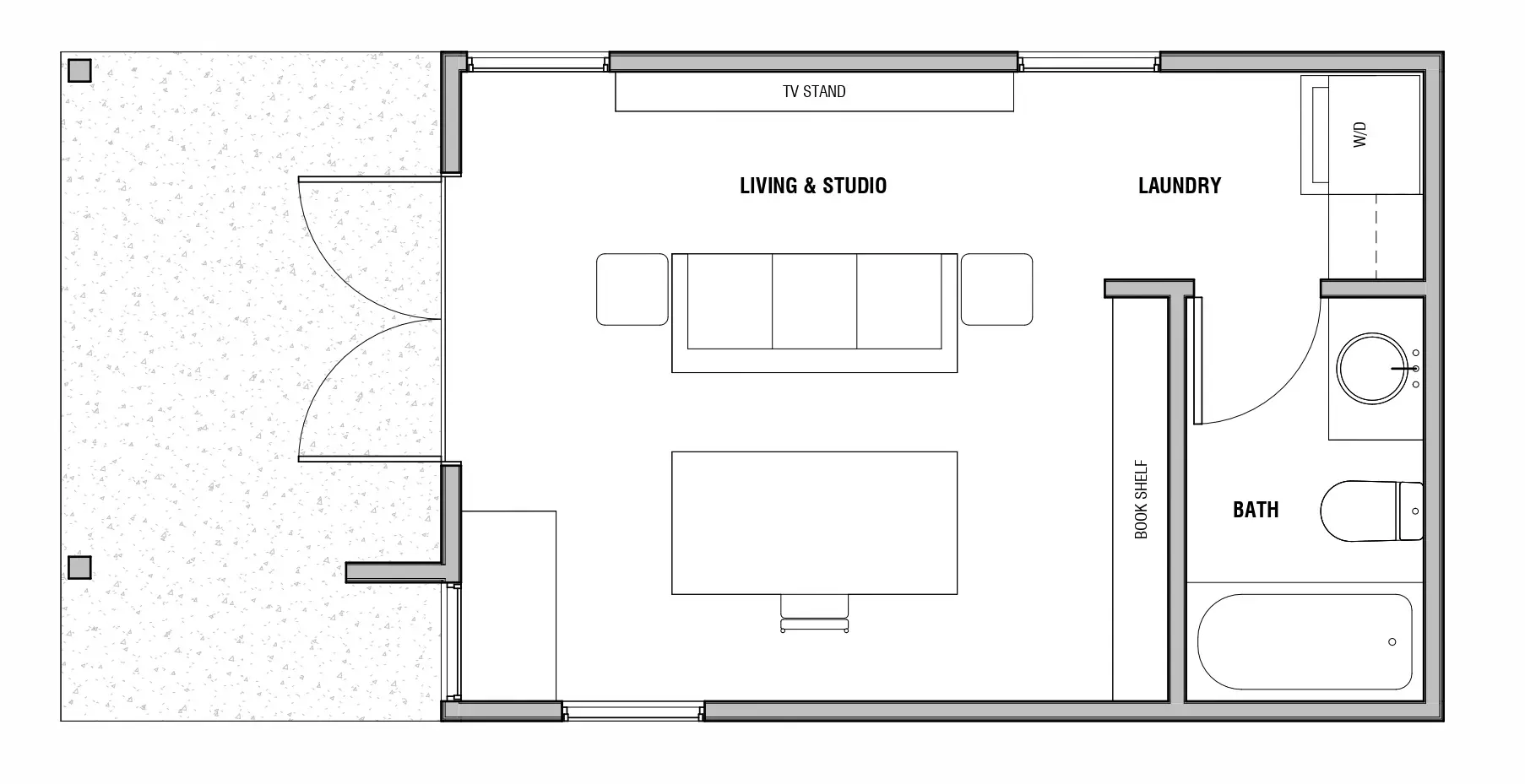
ADU Floorplan for San Mateo Properties
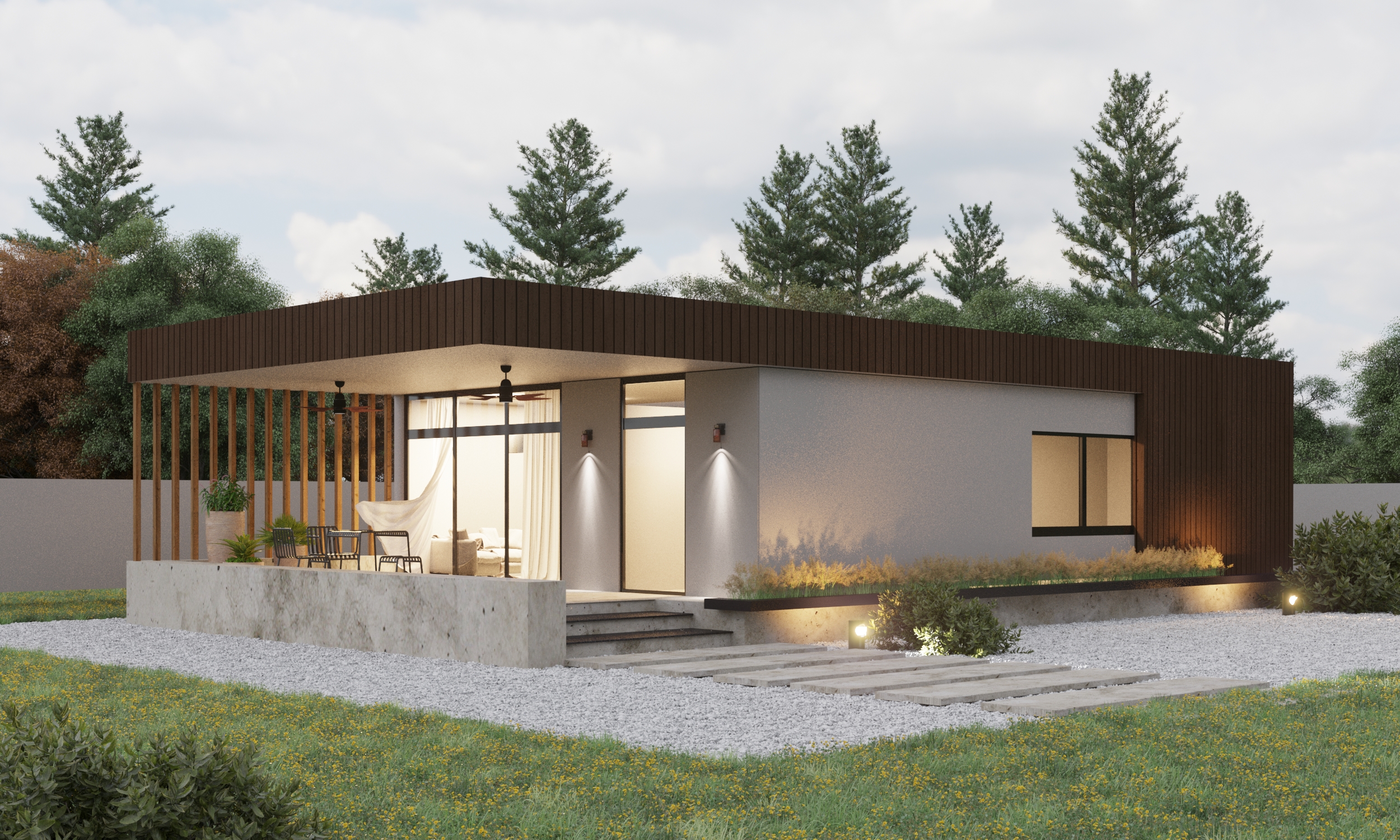
ADU Rendering for San Mateo Backyard

About ADU Legalization in San Mateo, San Mateo County

Housing Market & ADU Landscape in San Mateo

San Mateo features a diverse housing stock from early 1900s homes near downtown to Eichler homes in the Hillsdale and Baywood areas, and mid-century ranch homes throughout. The city's peninsula location between San Francisco and Silicon Valley makes it highly desirable.

San Mateo's 105,000 residents live in a premium Peninsula city with excellent schools and transit (Caltrain). Tech companies, healthcare (San Mateo Medical Center), and proximity to both SF and Silicon Valley drive extraordinary rental demand. ADUs provide essential housing in this expensive market.

With a population of approximately 105000, San Mateo was incorporated in 1894 and has grown into a vital community within San Mateo County. The median home price in San Mateo is approximately $1,600,000, reflecting the Bay Area real estate market. As housing costs continue to rise, homeowners throughout San Mateo are recognizing the value of legalizing existing accessory dwelling units under California's AB 2533 legislation. This landmark law provides a protected pathway for homeowners with unpermitted ADUs built before January 1, 2020, to bring their units into compliance without facing penalties or fines.

The demand for ADUs in San Mateo is driven by multiple factors: the need for affordable rental housing, multigenerational family arrangements, and the financial benefits of generating rental income from an existing property. Whether you have a converted garage, a backyard cottage, or an internal unit within your home, AB 2533 provides the legal framework to legalize your ADU and protect your investment.

San Mateo Building Department & ADU Zoning Requirements

The primary permitting authority for ADU legalization in San Mateo is the City of San Mateo Community Development Department. Understanding the local permitting process is essential for a successful legalization.

The San Mateo Community Development Department handles permits at City Hall (330 West 20th Avenue). ADUs are permitted in all residential zones. Standard setbacks and height limits apply. AB 2533 procedures adopted.

Under AB 2533, San Mateo cannot deny permits for unpermitted ADUs built before January 1, 2020, even if they do not comply with current building codes or local ordinances. This is a critical protection for homeowners, as it removes the risk of permit denial that previously discouraged many from attempting legalization. The law also prohibits the city from imposing penalties on homeowners who apply for legalization, providing a safe pathway to compliance.

Key zoning considerations for ADU legalization in San Mateo include:

  • Setback Requirements: Standard 4-foot side and rear yard setbacks for detached ADUs, though existing structures being legalized under AB 2533 may receive relief from these requirements
  • Height Limits: Maximum 16 feet for detached ADUs, with some allowances for taller structures in certain circumstances
  • Lot Coverage: Varies by zone, but AB 2533 provides flexibility for existing structures
  • Parking: Eliminated for ADUs within half a mile of public transit stops; AB 2533 further reduces parking requirements for legalization
  • Size Limits: ADUs up to 1,200 square feet are permitted on single-family lots under state law

Popular ADU Types in San Mateo

Garage conversions (40%), detached units (35%), internal conversions (25%). The city's generous lots in some neighborhoods support quality detached ADUs. Sizes range from 400 to 800 square feet.

When considering ADU legalization in San Mateo, it is important to understand the specific requirements for your type of unit:

  • Garage Conversions: The most common type of unpermitted ADU in San Mateo. Legalization typically requires ensuring proper insulation, ventilation, natural light, ceiling height (minimum 7 feet 6 inches), electrical service, plumbing connections, and fire safety features. Many garage conversions need electrical panel upgrades and dedicated circuits.
  • Detached Backyard Units: Stand-alone structures in the rear yard. Legalization involves ensuring structural integrity, proper foundation, utility connections, fire separation from the main dwelling (one-hour fire-rated walls may be required within 5 feet of property lines), and adequate setbacks.
  • Attached Additions: Rooms added to the rear or side of existing homes. Legalization requires verifying structural integration with the main house, ensuring proper fire separation, and confirming that the addition meets current energy standards.
  • Internal Conversions: Portions of the main home converted to a separate dwelling unit. These require verification of proper egress, fire separation between units, independent utility metering, and adequate sound transmission class (STC) ratings between units.

ADU Legalization by Neighborhood in San Mateo

Each neighborhood in San Mateo presents unique opportunities and challenges for ADU legalization. Understanding your specific neighborhood's characteristics is essential for a successful legalization process.

Downtown San Mateo / Central Park

Historic downtown with early 1900s homes. Walkability and Caltrain access create premium rental demand.

Hillsdale / Baywood (Eichler)

Eichler neighborhoods with mid-century homes. ADU design must respect architectural heritage.

San Mateo Park / Aragon

Upscale neighborhoods with larger homes on generous lots. Detached ADUs are feasible.

North San Mateo / Bay Meadows

Mix of older homes and newer development. Transit access and shopping convenience.

Regardless of which San Mateo neighborhood your property is in, our team at AB2533.com has the local expertise to navigate the specific requirements and challenges of your area. We understand the nuances of each neighborhood's housing stock, lot configurations, and common compliance issues.

ADU Property Value Impact in San Mateo, San Mateo County

A legalized ADU adds 14% to 23% to property values, representing $224,000 to $368,000. Monthly rents of $2,300 to $3,800 reflect the Peninsula market.

Beyond the immediate increase in property value, a legalized ADU in San Mateo provides several financial advantages:

  • Rental Income: Monthly rental income for legalized ADUs in San Mateo typically ranges from $2,300–$3,800, depending on the unit's size, condition, location, and amenities
  • Tax Benefits: A legally permitted ADU may qualify for certain tax deductions related to rental property ownership, including depreciation, maintenance expenses, and mortgage interest
  • Insurance Coverage: Once legalized, your ADU can be properly insured, protecting your investment against fire, natural disaster, and liability claims
  • Financing Options: A permitted ADU enhances your property's appraised value, potentially improving refinancing options and home equity access
  • Future Resale Value: Properties with legally permitted ADUs command premium prices from buyers who value the income potential and flexibility of a secondary unit

The rental market in San Mateo benefits from strong demand drivers that ensure consistent occupancy for well-maintained ADUs. Proximity to local employers, educational institutions, transit options, and neighborhood amenities all contribute to the desirability of ADU rentals in San Mateo County.

Common ADU Compliance Challenges in San Mateo

The 2022 California Building Code applies. Seismic requirements are stringent. Eichler modifications require design care. The city's design review process may apply to visible modifications.

Additional compliance considerations for San Mateo ADU legalization include:

  • Electrical Systems: Many older homes in San Mateo have electrical panels that are insufficient to support a separate dwelling unit. Common issues include outdated 100-amp panels, Federal Pacific or Zinsco panels (known fire hazards), and inadequate circuit capacity. Upgrading to a 200-amp panel with dedicated ADU circuits is often required.
  • Plumbing: ADUs must have proper plumbing connections, including hot and cold water supply, drainage, and waste disposal tied to the municipal sewer system. Older sewer laterals may need inspection and repair.
  • Fire Safety: Current California Building Code requires smoke detectors, carbon monoxide detectors, and fire extinguisher access in all ADUs. One-hour fire-rated walls may be required for structures within 5 feet of property lines. Sprinkler systems may be required in some jurisdictions.
  • Egress: All sleeping rooms must have emergency escape and rescue openings (egress windows) with specific minimum dimensions. This is one of the most commonly cited deficiencies in unpermitted ADUs.
  • Energy Compliance: Title 24 energy standards require adequate insulation, energy-efficient windows, and proper HVAC systems. This can be particularly challenging for garage conversions that were not originally designed as habitable space.
  • Structural Integrity: ADUs must meet current structural standards, including seismic requirements. Foundations, framing, and roofing must be evaluated and may require reinforcement.

Why Choose AB2533.com for Your San Mateo ADU Legalization

At AB2533.com, we specialize exclusively in ADU legalization under California AB 2533. Our team brings deep expertise in navigating the San Mateo building department's requirements and processes, ensuring your legalization proceeds smoothly and efficiently.

Our experience in San Mateo and throughout San Mateo County means we understand the specific challenges your property may face, from local zoning nuances to common construction issues found in the area's housing stock. We have established relationships with the local building officials and understand their priorities and expectations.

Our comprehensive legalization service includes:

  • Initial property assessment and feasibility analysis
  • Professional as-built drawings by licensed architects
  • Structural engineering reports and calculations
  • Title 24 energy compliance documentation
  • Permit application preparation and submission to the City of San Mateo Community Development Department
  • Plan review response and coordination with city reviewers
  • Inspection coordination and management
  • Final permit closeout and certificate of occupancy

Ready to legalize your San Mateo ADU? Schedule your free consultation today and let our team provide a personalized assessment of your property. We will evaluate your specific situation, outline the legalization pathway, and provide a clear estimate of costs and timeline. Don't let an unpermitted ADU put your property and investment at risk—take advantage of AB 2533's protections and legalize your unit with the help of San Mateo's ADU legalization experts.

San Mateo ADU Resources & Helpful Links

The following resources can help San Mateo homeowners navigate the ADU legalization process:

  • Local Building Department: San Mateo Community Development: www.cityofsanmateo.org | SM Building: (650) 522-7200 | San Mateo County Assessor: www.smcacre.org
  • California AB 2533 Full Text: Available through the California Legislative Information website at leginfo.legislature.ca.gov
  • California HCD ADU Resources: The California Department of Housing and Community Development provides statewide ADU guidance at www.hcd.ca.gov
  • AB2533.com Consultation: Schedule a free consultation to discuss your San Mateo ADU legalization at app.gatheradu.com/meeting

For immediate assistance with your San Mateo ADU legalization, call us at (323) 591-3717 or book your free consultation online. Our team is ready to help you navigate the process and protect your property investment.

ADU Rental Market Analysis for San Mateo

The rental market for accessory dwelling units in San Mateo reflects strong and growing demand driven by a combination of housing affordability challenges, population growth, and shifting demographic preferences. Current market data indicates that well-maintained, legally permitted ADUs in San Mateo command monthly rents of $2,200–$3,800, with premium locations near major employment centers and transit corridors achieving the higher end of this range. Studio and one-bedroom ADU configurations are the most sought-after, appealing to young professionals, students, seniors looking to downsize, and small families seeking affordable alternatives to conventional apartments. The ADU rental market in San Mateo has matured significantly over the past several years, with tenants increasingly seeking units that offer modern amenities, private outdoor space, and a sense of independence that larger apartment complexes cannot provide.

Several key demand drivers shape the San Mateo ADU rental market. Proximity to major employers including GoPro, SurveyMonkey, San Mateo Medical Center, Franklin Templeton generates consistent demand from workers seeking housing close to their workplaces. Educational institutions such as College of San Mateo, San Mateo Union High School District create additional demand from faculty, staff, and graduate students who prefer the privacy and independence of a standalone unit over traditional apartment living. The growing trend of remote work has also expanded the pool of potential ADU tenants, as more workers prioritize quality of living space over commute distance. Healthcare workers, service industry professionals, and first responders represent another significant tenant demographic, as many of these essential workers are priced out of the conventional rental market in San Mateo but need to live close to their places of employment.

ADU occupancy rates in San Mateo consistently exceed 95%, reflecting the persistent undersupply of affordable housing across the region. Properties in the Hillsdale and San Mateo Park neighborhoods tend to see the strongest demand and highest rents, while areas like Aragon offer slightly lower rents with equally strong occupancy. Homeowners with legalized ADUs report average annual rental income of $18,000 to $42,000 depending on the neighborhood and unit size, representing a significant return on their legalization investment and a meaningful contribution to household income that often covers a substantial portion of their mortgage payment. Market analysts project that ADU rental demand in San Mateo will continue to strengthen over the next decade, driven by ongoing housing production shortfalls and demographic shifts favoring smaller, more affordable housing options.

The financial case for ADU legalization in San Mateo is further strengthened when considering the long-term appreciation potential. A legally permitted ADU not only generates immediate rental income but also increases the overall property value by an estimated 20% to 35%. With San Mateo's median home price at approximately $1,500,000, this value increase can represent a six-figure addition to the homeowner's net worth. Additionally, legalized ADUs provide flexibility for homeowners to adapt their property to changing life circumstances, whether that means housing an aging parent, providing space for an adult child, or generating retirement income.

Environmental & Utility Considerations for San Mateo ADUs

When legalizing an ADU in San Mateo, understanding the environmental and utility requirements is essential for a smooth permitting process. Water service for ADUs is typically provided through a connection to the existing main dwelling's water supply, managed by Cal Water San Mateo. In most cases, no separate water meter is required for ADUs under 750 square feet, though larger units may trigger additional capacity charges or connection fees. Sewer service connections must be verified to ensure the existing lateral has adequate capacity to serve an additional dwelling unit, and older properties built during the 1920s through 1970s may require a sewer line inspection or upgrade as part of the legalization process. Camera inspection of the sewer lateral is recommended for properties with mature trees, as root intrusion is a common issue that can compromise the capacity and integrity of older sewer lines.

Electrical service is one of the most commonly upgraded utilities during ADU legalization in San Mateo. Many older homes have 100-amp or even 60-amp electrical panels that are insufficient to safely serve both the primary dwelling and an ADU. Upgrading to a 200-amp panel or installing a sub-panel for the ADU is frequently required, with costs typically ranging from $2,500 to $5,000 depending on the existing infrastructure. California's Title 24 energy standards also apply to ADU legalization, requiring adequate insulation, energy-efficient windows, and in many cases, solar-ready electrical conduit or actual solar panel installation under the state's solar mandate for new residential construction. For properties in San Mateo that already have solar panels on the main dwelling, the ADU's electrical load can often be partially offset by the existing solar system, though a separate sub-meter may be required for accurate energy accounting.

Water conservation measures are particularly important for San Mateo ADUs, given California's ongoing drought concerns and water supply challenges. Low-flow fixtures, water-efficient landscaping, and compliance with the state's Model Water Efficient Landscape Ordinance (MWELO) may be required depending on the scope of the legalization project. Gas service connections should be evaluated for capacity and safety, with older gas lines potentially requiring pressure testing or replacement to meet current standards. Many San Mateo homeowners are also choosing to install all-electric ADUs, eliminating the need for gas connections entirely and aligning with California's trend toward building electrification. Heat pump water heaters and mini-split HVAC systems are particularly popular for ADUs due to their energy efficiency, compact size, and ability to provide both heating and cooling without requiring ductwork.

Stormwater management is another environmental consideration for ADU legalization in San Mateo. Properties that increase impervious surface area through ADU construction or associated hardscaping may be required to implement on-site stormwater management measures such as permeable paving, rain gardens, or retention basins. Our team evaluates drainage conditions during the initial property assessment and includes any necessary stormwater mitigation measures in the legalization plans to avoid delays during plan review.

Insurance & Liability for Legalized ADUs in San Mateo

One of the most compelling reasons to legalize your unpermitted ADU in San Mateo is the significant impact on insurance coverage and liability protection. Unpermitted structures are typically excluded from standard homeowner's insurance policies, meaning that any damage to the ADU—whether from fire, water, natural disaster, or other covered perils—would not be covered by your insurance. This exposure can be financially devastating, potentially costing homeowners tens of thousands of dollars in uninsured losses. In neighborhoods like Hillsdale and San Mateo Park, where property values are substantial, the financial risk of maintaining an uninsured unpermitted structure is particularly acute.

Once your ADU is legalized and a certificate of occupancy or final inspection sign-off is obtained, you can add the structure to your homeowner's insurance policy as a permitted secondary dwelling. This typically increases your annual premium by $300 to $800, a modest cost compared to the protection it provides. Additionally, legalization enables you to obtain landlord liability coverage, protecting you against claims from tenants for injuries sustained on the property. Without legalization, a tenant injured in an unpermitted ADU could pursue legal action with the added leverage of code violations, potentially resulting in significantly higher damages and penalties. Courts in California have consistently ruled against landlords who rent unpermitted structures, making the liability exposure substantial and potentially unlimited.

Legalized ADUs in San Mateo also qualify for umbrella liability policies, providing an additional layer of protection for homeowners who rent their units. We strongly recommend that all San Mateo homeowners who legalize their ADUs consult with an insurance professional to ensure adequate coverage for both the structure and any rental operations conducted on the property. Proper insurance coverage not only protects your financial assets but also provides the peace of mind that comes with knowing you are operating within the law and protected against unforeseen circumstances. Many insurance providers in the San Mateo area now offer specialized ADU endorsements that provide comprehensive coverage at competitive rates, reflecting the growing acceptance and prevalence of ADUs as a standard feature of California's residential landscape.

San Mateo ADU Success Stories

Throughout San Mateo, homeowners have transformed their properties and financial situations through ADU legalization. In the Hillsdale neighborhood, a typical scenario involves a homeowner with a garage that was converted to a studio apartment years ago without permits. Through our legalization process, the electrical system was upgraded from a dangerous 60-amp sub-panel to a proper 100-amp sub-panel, proper egress windows were installed to meet emergency escape requirements, and the unit was brought up to current fire safety standards with interconnected smoke and carbon monoxide detectors. The result was a fully permitted 400-square-foot studio that now generates reliable monthly rental income while adding over $100,000 to the property's appraised value. The total legalization cost of approximately $25,000 was recovered through rental income within the first year, with all subsequent rental income representing pure profit for the homeowner.

In San Mateo Park, another common scenario involves a detached backyard structure that was originally built as a home office or guest quarters but gradually evolved into a full-time rental unit without permits. The structure had adequate square footage and a reasonable layout, but lacked proper insulation, had substandard plumbing connections, and did not meet current ventilation requirements. Our team assessed the structure, developed a comprehensive improvement plan, and guided the project through the AB 2533 legalization pathway. The upgrades included adding R-19 wall insulation and R-30 ceiling insulation, replacing the existing plumbing with copper supply lines and ABS drain lines, installing a bathroom exhaust fan vented to the exterior, and adding a dedicated 100-amp electrical sub-panel. The homeowner now enjoys the peace of mind that comes with a fully legal unit, proper insurance coverage, and the ability to openly advertise the rental at market rates rather than relying on word-of-mouth to avoid detection.

A particularly rewarding scenario common in San Mateo involves multigenerational families who built an ADU to house aging parents or adult children returning home. In the Aragon area, one family had constructed a small attached addition for an elderly parent but never obtained permits for the work. When the parent's health needs increased and the family wanted to install accessibility features, they discovered that unpermitted modifications could not receive building permits for further improvement. By working with our team to legalize the existing structure first, the family was able to subsequently add grab bars, a roll-in shower, wider doorways, and other ADA-accessible features, all under proper permits. The legalized ADU provided both the safety assurance the family needed and long-term financial flexibility, as the unit could be rented to outside tenants in the future if family circumstances changed. This type of multigenerational housing solution has become increasingly popular throughout San Mateo, as families seek to maintain close connections while providing independent living spaces for different generations.
Understanding AB 2533 in San Mateo, California

AB 2533 creates a clear path for San Mateo homeowners to legalize unpermitted ADUs without facing penalties or fines. This landmark legislation offers protection for units built before January 1, 2020, even if they don't comply with local ordinances or building codes.

No Permit Denial

San Mateo officials cannot deny permits for unpermitted ADUs built before January 1, 2020, even if they don't comply with building codes or local ordinances.

No Penalties

San Mateo property owners are protected from being penalized for having unpermitted units when applying for legalization.

Reduced Fees

No impact fees or connection charges except when utility infrastructure is required for health and safety compliance in San Mateo.

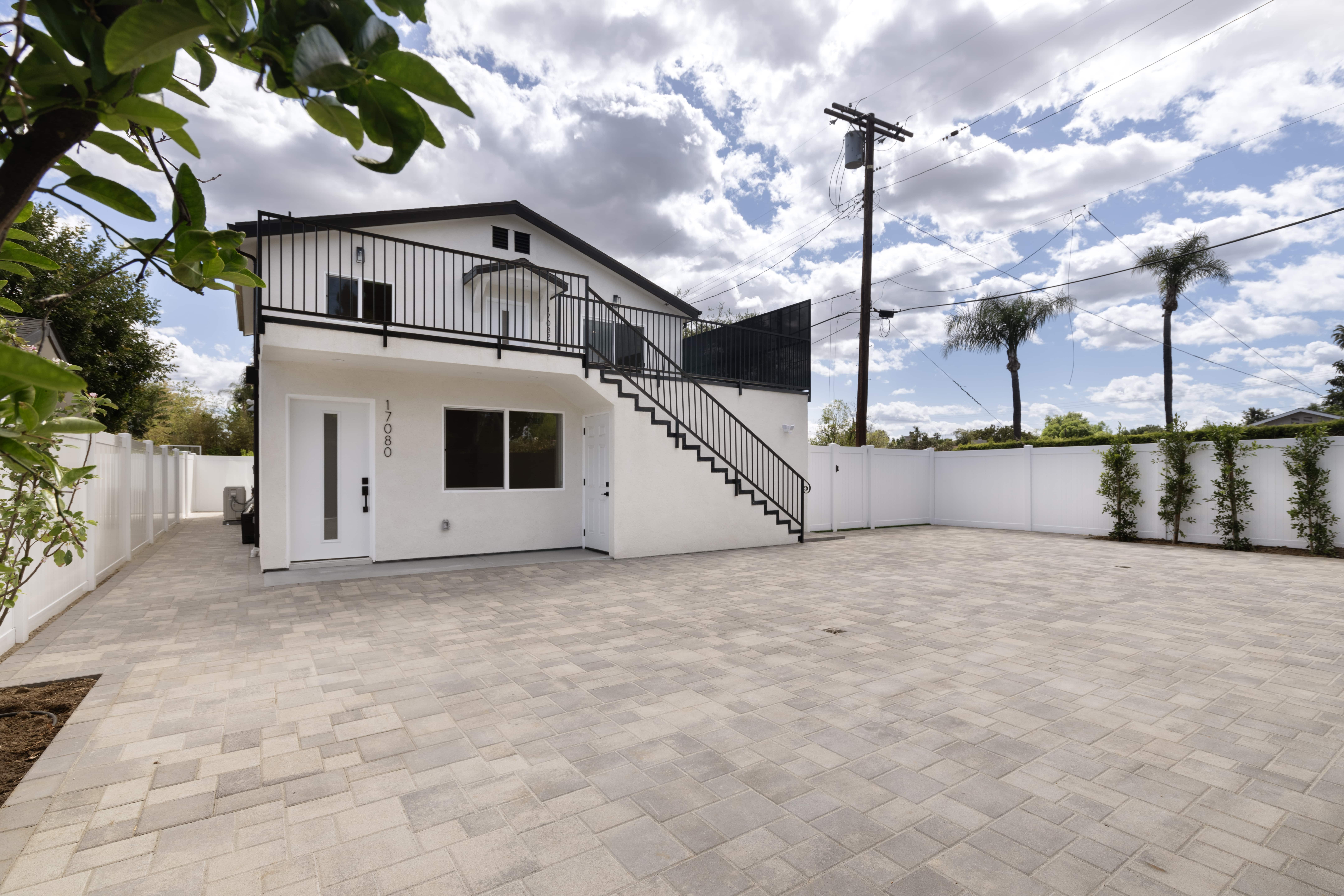
Real ADU in San Mateo

Important Note for San Mateo Homeowners

If your unpermitted ADU faces a notice of violation (NOV), you can still obtain legalization under AB 2533. The law prevents San Mateo officials from requiring removal of the unit, as long as it was built before January 1, 2020.

Our ADU Legalization Services in San Mateo

Site Assessment & Property Survey

Our team conducts a comprehensive on-site evaluation of your San Mateo property to document existing conditions. We assess the ADU's structural integrity, layout, and compliance gaps to create a clear roadmap for legalization. This initial survey forms the foundation for all subsequent documentation.

As-Built Drawings & Floor Plans

We produce detailed as-built architectural drawings of your existing ADU in San Mateo, including accurate floor plans, elevations, and site plans. These professional drawings are required by the San Mateo building department for permit review. Our drafting team ensures every measurement and detail meets submission standards.

Structural Engineering Reports

Licensed structural engineers evaluate your San Mateo ADU's foundation, framing, and load-bearing elements. We provide stamped engineering reports that verify structural adequacy or recommend necessary reinforcements. These reports are essential for demonstrating code compliance to San Mateo plan checkers.

Title 24 Energy Compliance

California's Title 24 energy standards apply to ADU legalization in San Mateo. Our energy consultants perform detailed calculations to document your unit's insulation, windows, HVAC, and lighting efficiency. We identify the most cost-effective upgrades to meet current energy code requirements.

Permit Application & Processing

We prepare and submit complete permit applications to the San Mateo building department on your behalf. Our team manages all paperwork, responds to plan check comments, and tracks your application through every stage. We leverage our experience with San Mateo's permitting process to minimize delays.

Code Compliance Remediation Plans

When your San Mateo ADU requires modifications to meet health and safety standards, we develop detailed remediation plans. Our approach focuses on the minimum necessary upgrades under AB 2533 protections, saving you money. We coordinate with contractors to ensure all corrections are done correctly.

Inspection Coordination & Management

We schedule and coordinate all required inspections with San Mateo building inspectors throughout the legalization process. Our team prepares your property for each inspection phase to maximize first-pass approval rates. We attend inspections when possible and address any inspector comments promptly.

Certificate of Occupancy Assistance

The final step in legalizing your San Mateo ADU is obtaining the Certificate of Occupancy. We guide you through the final inspection requirements and ensure all documentation is complete. Once issued, your ADU is officially legal and fully permitted in San Mateo.

What Our San Mateo ADU Legalization Plans Include

Architectural As-Built Drawings

Complete floor plans, exterior elevations, and site plan showing your ADU's exact dimensions, layout, and relationship to the main dwelling and property lines.

Structural Analysis & Engineering

Detailed evaluation of foundation type and condition, wall framing and roof structure, and load path analysis to verify your ADU meets structural safety requirements.

MEP Documentation

Mechanical, electrical, and plumbing layout drawings documenting existing systems including HVAC, panel capacity, water heater, fixtures, and drainage connections.

Title 24 Energy Calculations

California-mandated energy compliance calculations covering insulation R-values, window U-factors, HVAC efficiency ratings, and lighting power density for your San Mateo ADU.

Soils/Geotechnical Report Coordination

Coordination with licensed geotechnical engineers for soil bearing capacity analysis and foundation recommendations when required by San Mateo plan reviewers.

Fire & Life Safety Compliance Plans

Assessment of smoke detectors, carbon monoxide alarms, egress windows, fire-rated separations, and sprinkler requirements per San Mateo fire department standards.

Accessibility (ADA) Assessment

Evaluation of accessibility features including doorway widths, bathroom clearances, and pathway requirements to determine if ADA accommodations are needed for your unit.

Construction Cost Estimates

Itemized cost projections for any required modifications, upgrades, or remediation work identified during the assessment, helping you budget accurately for your San Mateo ADU legalization.

ADU Legalization Data for San Mateo, San Mateo

The following data represents typical ranges for ADU legalization projects in San Mateo and throughout San Mateo County, California.

Category Typical Range for San Mateo
Average Legalization Timeline 3–6 months
Estimated Permit Fees $2,500 – $8,500
Average Plan Check Duration 4–8 weeks
Typical Inspection Phases 3–5 inspections
Average Property Value Increase 20–35%
Estimated Rental Income Potential $1,200 – $3,500/mo
Engineering Report Cost $1,500 – $4,000
As-Built Drawing Cost $2,000 – $5,000

Costs and timelines vary based on ADU size, condition, and specific San Mateo building department requirements. Contact us for a personalized estimate.

Step-by-Step ADU Permit Process in San Mateo

1

Initial Property Research & Zoning Verification

Before any site visit, our team researches your San Mateo property records, zoning designation, and parcel history. We verify setback requirements, lot coverage limits, and any recorded easements that may affect your ADU. This research helps us identify potential challenges early and develop the most efficient legalization strategy. We also confirm your ADU qualifies under AB 2533 based on construction date documentation.

2

Site Visit & ADU Condition Assessment

Our licensed professionals visit your San Mateo property to conduct a thorough inspection of the existing ADU. We document the structure's condition, identify any health and safety concerns, and evaluate the current state of electrical, plumbing, and mechanical systems. Photographs and notes from this visit form the basis for accurate as-built documentation. We also assess accessibility and fire safety features during this visit.

3

As-Built Documentation & Measurements

Using precise measurement tools, we create detailed as-built drawings of your San Mateo ADU including floor plans, elevations, and a site plan. Every wall, window, door, and fixture is accurately documented to professional standards. These drawings show the relationship between your ADU, the main dwelling, and property boundaries. The as-built package is prepared to meet San Mateo building department submission requirements.

4

Engineering & Compliance Analysis

Licensed engineers analyze the structural integrity of your San Mateo ADU, evaluating the foundation, framing, and roof systems. We perform Title 24 energy calculations and assess MEP (mechanical, electrical, plumbing) systems for code compliance. If any deficiencies are found, we develop cost-effective remediation recommendations that satisfy San Mateo requirements. Our goal is to identify the minimum necessary upgrades under AB 2533 protections.

5

Plan Preparation & Title 24 Calculations

Our drafting team compiles all documentation into a complete plan set ready for San Mateo building department submission. This includes architectural plans, structural details, MEP layouts, and Title 24 energy compliance reports. Every sheet is reviewed for accuracy and completeness before submission. We include all required notes, schedules, and details that San Mateo plan checkers expect to see.

6

Permit Application Submission to San Mateo

We submit your complete legalization package to the San Mateo building department, including all required forms, plans, and supporting documents. Our team references AB 2533 protections in the application to ensure proper processing under the law. We pay all applicable fees and obtain tracking numbers for your records. Having submitted numerous applications in San Mateo, we know exactly what the department expects.

7

Plan Check Review & Corrections

During the San Mateo plan check review period, plan examiners will review your submitted documents for code compliance. If corrections or additional information are requested, our team responds promptly with revised plans and detailed responses. We track review cycles and maintain communication with San Mateo plan checkers to keep your project moving forward. Most correction requests are resolved within one revision cycle.

8

Final Inspections & Certificate of Occupancy

Once permits are issued by San Mateo, we coordinate all required inspections including structural, electrical, plumbing, mechanical, and final inspections. Our team prepares your ADU for each inspection phase and addresses any inspector comments immediately. Upon successful completion of all inspections, San Mateo issues the Certificate of Occupancy, officially legalizing your ADU. This final document confirms your unit is safe, compliant, and fully permitted.

Our AB 2533 Legalization Process in San Mateo

1

Initial Consultation & Assessment

We start with a thorough assessment of your unpermitted ADU in San Mateo, reviewing its current condition, compliance issues, and legalization options under AB 2533.

2

Customized Legalization Strategy

We create a tailored legalization plan specific to San Mateo's building department requirements and your property's unique characteristics.

3

Documentation & Permit Preparation

We handle all necessary paperwork, architectural drawings, and permit applications for your San Mateo ADU, ensuring everything meets legal requirements under AB 2533.

4

City Submission & Negotiation

We submit your legalization application to San Mateo officials and negotiate any necessary accommodations, leveraging AB 2533 protections to prevent penalties or excessive requirements.

5

Final Inspection & Legalization

We coordinate all required inspections with San Mateo building officials and complete the process to obtain your Certificate of Occupancy, officially legalizing your ADU.

Frequently Asked Questions About AB 2533 in San Mateo

AB 2533 applies to unpermitted ADUs in San Mateo that were constructed before January 1, 2020. The law provides protection regardless of whether the unit complies with building codes or local ordinances. If your ADU was built after this date, different regulations may apply, and we can guide you through those options.

One of the most powerful aspects of AB 2533 is that it protects San Mateo homeowners with NOVs. Even if you've received a Notice of Violation for your unpermitted ADU, the law prevents officials from requiring you to remove the unit or imposing penalties when you apply for legalization, as long as the ADU was built before January 1, 2020.

While AB 2533 prevents San Mateo from denying permits for non-compliant ADUs, some health and safety modifications may still be required. Our team assesses your specific situation and recommends only necessary changes to meet minimum safety standards, helping you navigate the process with minimal expense and disruption.

The timeline for legalizing an unpermitted ADU in San Mateo typically ranges from 3-6 months, depending on the condition of your unit, the complexity of required modifications, and the current processing times at the San Mateo building department. Our expertise can often shorten this timeline by ensuring complete, accurate submissions and proactive management of the process.

Legalizing your ADU in San Mateo offers numerous benefits: increased property value, ability to legally rent the unit for income, protection from future code enforcement issues, potential insurance benefits, and peace of mind knowing your property complies with legal requirements. Additionally, when you eventually sell your home, a legally permitted ADU is a significant selling point compared to an unpermitted one.

The cost to legalize an ADU in San Mateo varies depending on the size, condition, and complexity of your unit. Typical expenses include permit fees ranging from $2,500 to $8,500, engineering reports costing $1,500 to $4,000, and as-built drawings between $2,000 and $5,000. Additional costs may apply for required modifications or remediation work identified during the assessment. Contact our San Mateo team for a detailed, personalized cost estimate based on your specific property.

Yes, once your ADU is legally permitted in San Mateo, you can rent it out as a long-term or short-term rental, subject to local rental regulations and ordinances. A legalized ADU in San Mateo can generate significant rental income, typically between $1,200 and $3,500 per month depending on the unit's size and location. Renting a legally permitted ADU also provides landlord protections and insurance coverage that aren't available for unpermitted units. Our team can advise you on San Mateo's specific rental regulations after legalization.

Under AB 2533, San Mateo cannot deny your legalization application even if your ADU doesn't meet current building codes, as long as it was built before January 1, 2020. However, certain health and safety upgrades—such as smoke detectors, proper egress windows, and electrical panel capacity—may still be required. Our team helps identify the minimum necessary modifications to bring your San Mateo ADU into compliance while keeping costs as low as possible. We develop a prioritized remediation plan that addresses the most critical safety items first.

Yes, legalizing an ADU in San Mateo typically requires professional as-built drawings prepared by a licensed architect or designer, as well as structural engineering reports stamped by a licensed engineer. The San Mateo building department requires these documents as part of the permit application to verify that your ADU meets safety standards. Our team includes licensed architects and engineers who specialize in ADU legalization, streamlining the process and ensuring your documentation meets all San Mateo requirements. We handle all professional services in-house, so you don't need to hire separate consultants.

AB 2533 specifically addresses the legalization of existing unpermitted ADUs built before January 1, 2020, providing unique protections against penalties, fines, and permit denials. Other California ADU laws like AB 68 and SB 13 primarily focus on streamlining the construction of new ADUs by reducing parking requirements, setback standards, and impact fees. AB 2533 is the most relevant law for San Mateo homeowners with existing unpermitted units because it prevents local jurisdictions from requiring demolition or imposing punitive measures. Our team stays current on all California ADU legislation to ensure San Mateo homeowners receive the maximum benefits available under the law.

Quick Contact

Ready to legalize your ADU in San Mateo? Contact our team for a free consultation.

Our Services in San Mateo

  • ADU Legalization
  • Code Compliance Assessment
  • Architectural Planning
  • Permit Application Assistance
  • Notice of Violation Resolution
  • Local Code Navigation
  • Inspection Coordination
  • Documentation Assistance

Learn More About ADU Legalization

Explore our comprehensive guides on AB 2533 and ADU legalization:

Ready to Legalize Your ADU in San Mateo?

Take advantage of AB 2533 and transform your unpermitted ADU into a valuable, legal asset.

Schedule Your Free San Mateo Consultation Today

Book Online Now

Or call us directly at (323) 591-3717

No forms to fill out. No obligation. Just expert advice on your specific San Mateo ADU situation.

Schedule Free Consultation